
Selling a Home in Houston: What the Contract Really Means for You

Ready to listen

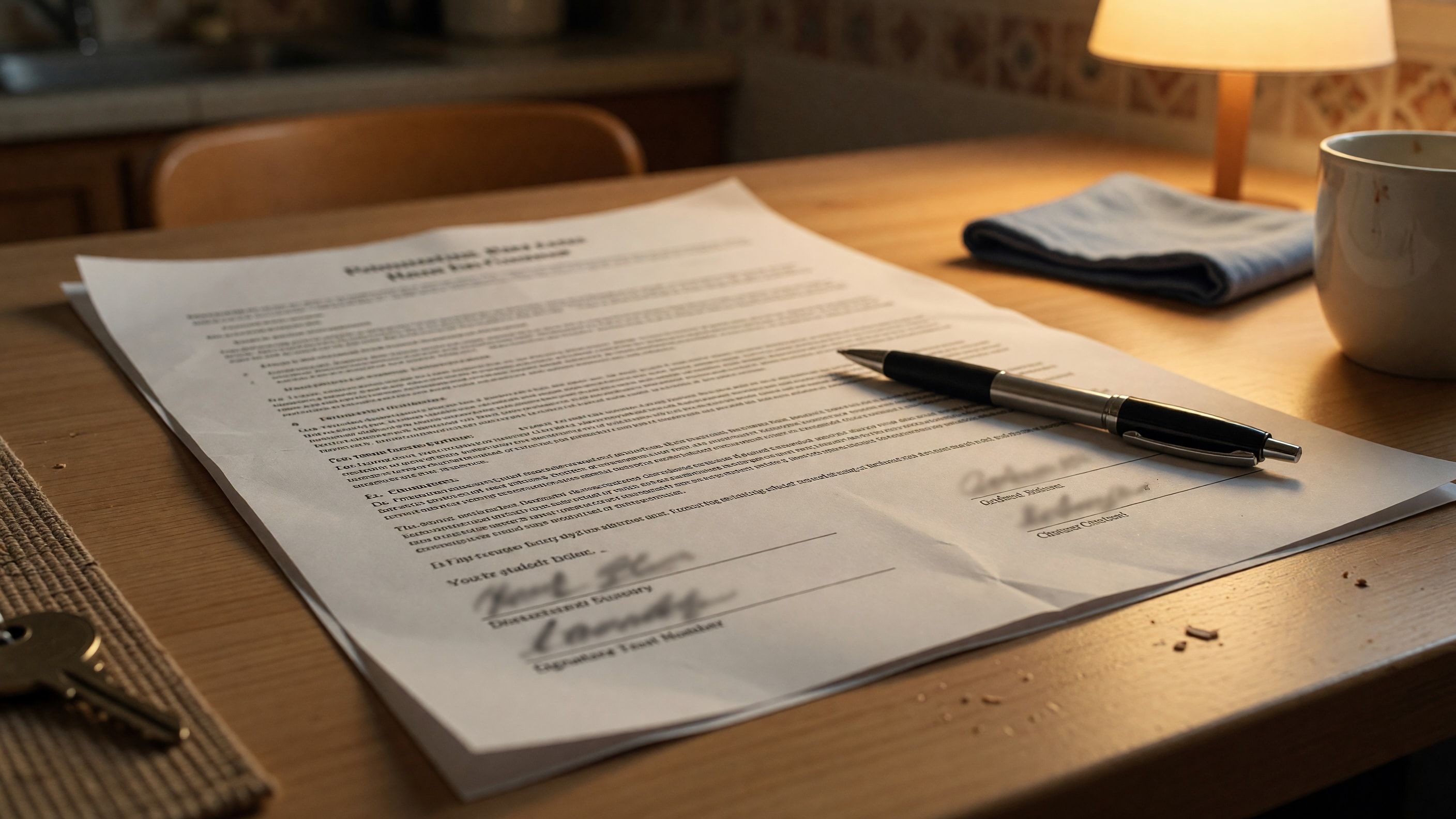
Selling your home in Houston is a major financial milestone, but sitting at your kitchen table at 11:00 PM staring at a stack of legal documents can feel incredibly overwhelming. You might assume the standard contract protects you, but a single misunderstood paragraph can cost you thousands of dollars or trap you in a bad deal. At the Law Office of Kristopher A. Alvarez, PLLC, we help Houston sellers understand exactly what they are signing so they can protect their hard-earned equity.
#The Standard TREC Contract: What You Are Actually Signing
As of June 2026, most residential home sales in Texas use the standard One to Four Family Residential Contract (Resale) promulgated by the Texas Real Estate Commission (TREC). While real estate agents fill out these forms every day, the language is legally binding and heavily favors the buyer's right to inspect the property and back out of the deal.
Many sellers in neighborhoods like the East End or Katy assume that the title company is there to protect them. In reality, a title company acts as a neutral third party to clear the title and facilitate the closing—they do not represent your legal interests. When you sign the TREC contract, you are making legally enforceable promises that you must keep.
#5 Critical Contract Traps for Houston Home Sellers
To ensure a smooth transaction and protect your assets, here is a checklist of the most common contractual traps sellers face:
1. The Seller's Disclosure Notice (Texas Property Code Section 5.008) Under Texas Property Code Section 5.008, sellers of residential property are legally required to provide a written notice detailing the condition of the home. This is not a document your agent can or should fill out for you. You must disclose known defects, past flooding (a critical issue in Houston), and major repairs. Failing to disclose a known issue can lead to a lawsuit for fraudulent misrepresentation long after the closing is complete.
2. Paragraph 2: Fixtures vs. Personal Property Paragraph 2 of the TREC contract defines what stays with the house. A "fixture" is anything permanently attached to the property, such as built-in speakers, custom window blinds, TV mounts, water softeners, or that expensive dining room chandelier. If you intend to take these items with you, they must be explicitly listed as "exclusions" in the contract. Otherwise, they legally belong to the buyer once the contract is signed.
3. Paragraph 5: The Buyer's Option Period The contract usually includes an option period—a negotiated window of time where the buyer pays an option fee for the unrestricted right to terminate the contract for any reason. During this time, the buyer will likely conduct inspections and may submit an amendment to ask for repairs or a price reduction. As a seller, you must understand that the buyer has a legal "out" during this period, but you do not.
4. Paragraph 7: The "As-Is" Illusion Paragraph 7D states that the buyer accepts the property "As-Is". Many sellers mistakenly believe this means they do not have to disclose defects or make any repairs. Selling "As-Is" simply means the seller is not automatically obligated to fix anything upfront, but it absolutely does not exempt you from your legal duty to disclose known problems under Texas law.
5. Seller Default: You Cannot Simply Change Your Mind What happens if you sign a contract, but a few days later, another buyer offers you $20,000 more? In Texas, a seller cannot legally terminate a contract simply because they received a better offer. If you refuse to close to pursue a better deal, you are in default. The buyer can sue you for specific performance (forcing the sale of the home) or for financial damages, tying up your property in court.

#How a Real Estate Attorney Protects Your Sale
When selling a home, the stakes are incredibly high. An attorney does more than just read the contract. We review the title commitment to ensure there are no surprise liens from old contractors or unresolved heirship issues that could derail your closing.
We also draft specific "Special Provisions" (Paragraph 11) if you need a temporary residential lease to stay in the home for a few days after closing. Having a legal advocate means you are not left guessing what a complex legal term means for your family's financial future. Furthermore, your immigration status does not prevent you from legally buying or selling property in Texas. We proudly serve all members of the Houston community with dignity, confidentiality, and respect.
#Frequently Asked Questions
What happens if I forget to disclose a defect on the Seller's Disclosure Notice?
If you knowingly fail to disclose a material defect, the buyer may have grounds to sue you for fraud or negligent misrepresentation after the sale. It is always better to over-disclose than to hide a problem, as Texas law heavily penalizes sellers who conceal property damage.
Can I keep the buyer's earnest money if they back out?
It depends on when and why they back out. If the buyer terminates the contract during their option period, they are entitled to their earnest money back. If they default outside of the contract's contingencies, you may be entitled to keep the earnest money as damages.
Does "selling as-is" mean I don't have to fix anything?
Selling "as-is" means you are not agreeing to make repairs upfront. However, the buyer can still request repairs during the option period, and you are still legally required to disclose any known defects.
What if the title company finds a lien on my house?
A title issue, such as an old contractor's lien or a missing heir's signature, can delay or kill your sale. A real estate attorney can help resolve these title clouds so your closing can proceed smoothly.
Do I have to pay for a lawyer if the title company already has one?
The title company's attorneys work for the title company, not for you. Hiring your own real estate attorney ensures that someone is looking out exclusively for your financial and legal interests.
#Schedule a Consultation with a Houston Real Estate Attorney
Selling your home shouldn't leave you vulnerable to lawsuits or lost equity. Before you sign a TREC contract, let an experienced legal professional review the terms and protect your investment.
Contact the Law Office of Kristopher A. Alvarez, PLLC to schedule a consultation.
- Phone / Text: (832) 404-2300
- Book Online: Schedule your consultation
- Houston Offices:
- Montrose: 1603 W. Alabama St., Houston, TX 77006
- East End: 6841 Avenue I, Houston, TX 77011
You may also like

Title Problems That Can Kill Your Houston Home Purchase — and How to Fix Them
Discover the most common title problems in Houston real estate, from heirship issues to mechanic's liens, and learn how to protect your home purchase.
Red Flags in a Houston Real Estate Contract You Should Never Ignore
The TREC contract has traps that cost Houston buyers their earnest money, their option rights, or their title. Know what to look for before you sign.

What Does a Real Estate Attorney Actually Do at a Houston Closing?
Your title company works for everyone at the table. A real estate attorney works only for you. Here's what they do at a Houston closing.
This article is general information only and is not legal advice. Reading it does not create an attorney-client relationship.