
What Happens If You Die Without a Will in Texas?

Ready to listen
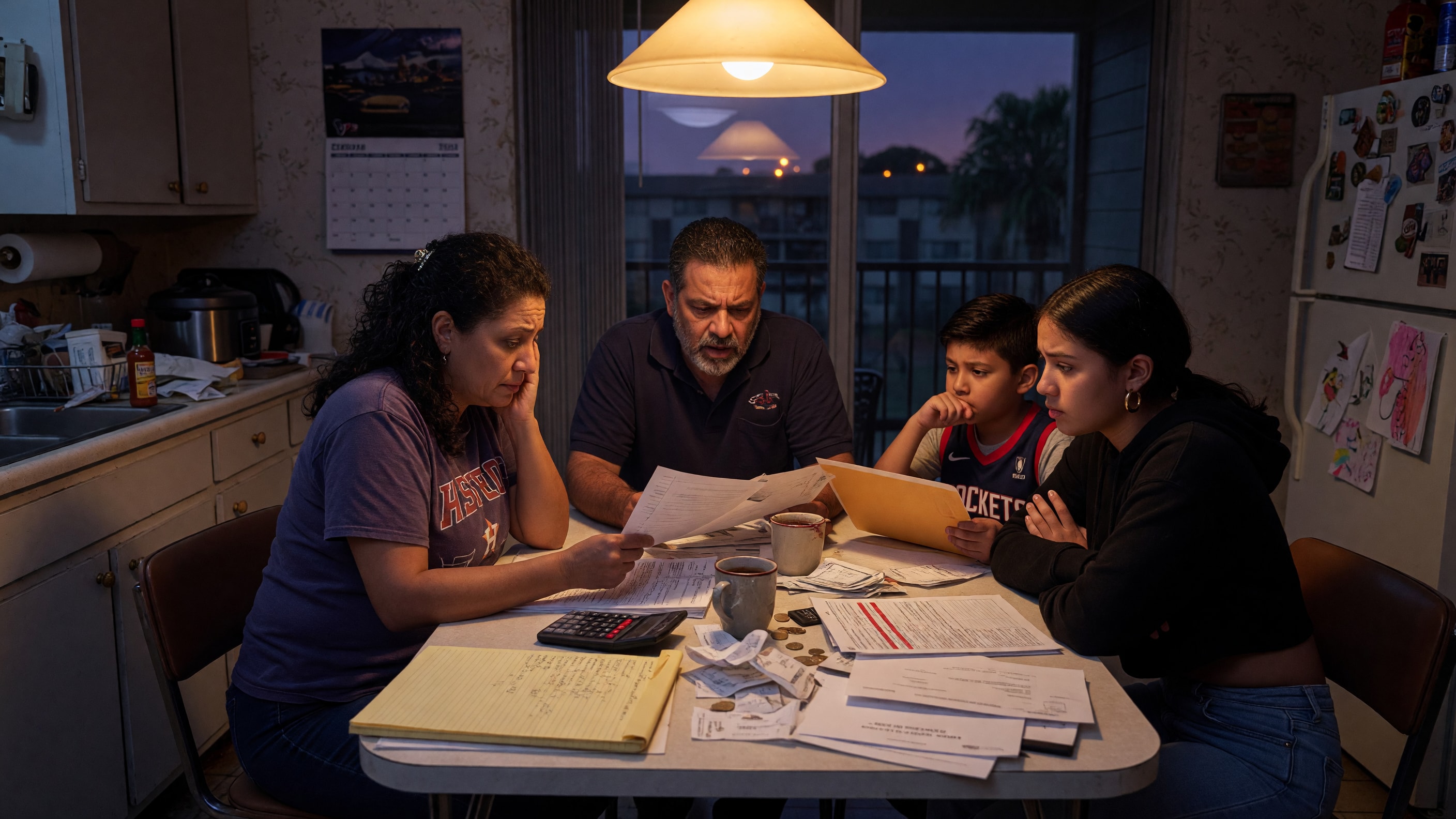
Losing a loved one is one of the most painful and overwhelming experiences a family can face. If that person passed away without leaving a will, it is completely normal to feel confused, anxious, and scared about what will happen to the family home, the bank accounts, and the future of the children. In Houston, many hardworking and mixed-status families find themselves facing this exact situation, sitting at their kitchen table late at night, unsure of where to begin or who to trust.
When you do not have a will, you leave the most important decisions about your family’s future up to the state. Understanding the rules of Texas intestate succession is the first step toward protecting your assets and ensuring your loved ones are not left in a vulnerable position.
#What Does It Mean to Die "Intestate" in Texas?
When a person dies without a valid will, the state of Texas classifies their estate as "intestate." In these cases, the law steps in to make the decisions that the deceased did not make. The Texas Estates Code (specifically Chapter 201) sets out a strict, unyielding formula to determine exactly who inherits your assets.
This legal formula is based entirely on formal family relationships. It does not take into account who cared for the deceased during their final days, who loved them the most, or what their unwritten, verbal wishes might have been. The court will only look at the legal family tree. For many families in Houston, the state's default plan looks very different from what the deceased person would have actually wanted.
#The Biggest Myth: "My Spouse Gets Everything"
One of the most common and dangerous misconceptions is the belief that if one spouse passes away, the surviving spouse automatically inherits everything. In Texas, this is simply not always true. Texas is a community property state, which means the law divides property into two distinct categories:
- Community Property: This includes almost everything acquired by either spouse during the marriage. Think of the family home bought in Pasadena or Spring Branch, shared bank accounts, and vehicles purchased while married.
- Separate Property: This category covers assets owned by one spouse before the marriage, as well as property received individually as a gift or inheritance during the marriage.
If the deceased spouse had children from a previous relationship, the surviving spouse does not inherit the entire community estate. Instead, the surviving spouse keeps their one-half of the community property, but the deceased's one-half passes directly to their children from the prior relationship. This strict rule can create highly tense situations where a surviving spouse suddenly ends up co-owning their own home with their stepchildren.
#The Harsh Reality for Unmarried Partners and Blended Families
Texas intestate succession laws can be devastating for couples who live together but have not formally married. Unless the couple can legally prove they meet the strict requirements of a common-law marriage under Texas law (which requires living together in Texas, agreeing to be married, and representing yourselves to others as a married couple), the surviving unmarried partner inherits absolutely nothing.
If you are single and have no children, your assets will pass to your parents, siblings, or extended family members. For blended families, the rules are equally strict. Stepchildren who were not legally adopted by the deceased have no automatic inheritance rights under Texas law, even if the deceased raised them since they were infants.
#Can an Undocumented Immigrant Inherit Property in Texas?
A major source of anxiety in Houston’s immigrant community is whether immigration status affects a person's right to inherit property. The clear answer is no. Under Texas law, undocumented immigrants have the exact same rights to inherit property as U.S. citizens.
Whether the property is a family home in Gulfton, Aldine, or Magnolia Park, your immigration status does not prevent you from receiving real estate, money, or other assets that legally belong to you through inheritance. Legal consultations regarding probate and inheritance are strictly confidential. The fear of deportation should never stop you or your family members from claiming the inheritance that is rightfully yours.
#How to Transfer a House Without a Will: The Affidavit of Heirship
If the only asset left behind is a house and there are no outstanding debts (other than the mortgage), a full court proceeding might not be necessary. As of May 2026, one of the most common non-judicial tools used to transfer real estate in Texas when there is no will is the Affidavit of Heirship, governed by Chapter 203 of the Texas Estates Code.

This legal document outlines the deceased's family history and identifies the legal heirs. However, it requires two "disinterested witnesses" to sign under oath. A disinterested witness is someone who knew the deceased and their family history well (like a long-time neighbor or family friend) but will not benefit financially from the estate. Once the affidavit is properly executed, notarized, and recorded in the county deed records, it serves as prima facie evidence of the heirs' identity, allowing title companies to recognize the new legal owners.
#Why Dying Without a Will Costs More Time and Money
If the estate is more complex, has significant assets, or involves disputes, the family will have to go through a formal Determination of Heirship in a probate court. Harris County has five specialized statutory probate courts. Courts 1 through 4 are located at 201 Caroline St. in downtown Houston, and Court 5 is located at 1115 Congress St.
Going to court without a will is significantly more expensive and time-consuming than probating a valid will. Under Texas law, when a Determination of Heirship is filed, the judge is required to appoint an independent attorney, called an Attorney Ad Litem, to investigate the family tree and search for any unknown or missing heirs. The family of the deceased is responsible for paying the Attorney Ad Litem's fees. This process can delay the distribution of assets by months and cost the family thousands of dollars—money that could have been saved with a simple estate plan.
#Steps to Take If a Loved One Passed Away Without a Will
If you find yourself navigating the aftermath of a loved one's passing without a will, follow these concrete steps to protect the estate:
- Secure the property: Make sure the family home, vehicles, and other physical assets are locked and safe. Ensure that essential bills, like the mortgage and property insurance, continue to be paid to avoid foreclosure or lapse in coverage.
- Gather important documents: Search for birth certificates, marriage licenses, divorce decrees, property deeds, and recent bank statements. These will be necessary to establish the family tree and the estate's value.
- Do not pay debts out of pocket: Do not automatically assume you must pay the deceased's credit card bills or medical debts with your own personal money. Consult with an attorney first to determine what the estate is actually legally obligated to pay.
- Make a comprehensive family list: Write down the names, addresses, and contact information of all potential heirs, including any children from previous relationships or marriages.
- Schedule a legal consultation: Speak with a Houston probate attorney to evaluate your specific situation. Texas has strict deadlines for initiating formal probate proceedings, so it is important not to delay.
#Frequently Asked Questions
Does the State of Texas take my house if I die without a will?
No. It is a very common myth that the state seizes your property if you die intestate. The State of Texas would only take your assets (a process called escheat) in the extremely rare event that you pass away and have absolutely no living blood relatives, not even distant cousins.
How long do I have to settle an estate in Texas?
Texas has strict deadlines for opening a formal probate case. While there are some exceptions and alternative methods (like the Affidavit of Heirship) that can be utilized later, failing to act promptly can complicate title transfers and expose the estate to unnecessary risks.
What happens to bank accounts that have a named beneficiary?
Assets like bank accounts with a "Payable on Death" (POD) designation, retirement accounts, and life insurance policies do not go through the probate or intestate succession process. These funds pass directly to the named beneficiary, regardless of what the default state inheritance laws dictate.
Can my partner inherit if we live together but are not legally married?
Not automatically. If you are not legally married, your partner will inherit nothing under the standard intestate succession laws. The only exception is if you can legally prove to a judge that your relationship met all the strict requirements of a Texas common-law marriage before your partner passed away.
Who inherits if I am single and have no children?
If you pass away unmarried and without descendants, the Texas Estates Code dictates that your estate will pass to your parents. If your parents have already passed away, your assets will be divided among your siblings or their descendants.
#Protect Your Family's Future in Houston
Dealing with the loss of a loved one is difficult enough without carrying the heavy burden of a confusing and expensive legal process. At The Law Office of Kristopher A. Alvarez, PLLC, we understand the unique challenges faced by Houston's hardworking and mixed-status families. We are here to provide clear answers, protect your family's assets, and guide you step by step through the Texas probate system.
To schedule a consultation and discuss your family's situation, contact us at (832) 404-2300. Se habla español. You can visit us at our Montrose office (1603 W. Alabama St., Houston, TX 77006) or in the East End (6841 Avenue I, Houston, TX 77011). You can also book your appointment online by visiting our booking page.
You may also like

How Probate Works in Harris County, Texas
A plain-English guide to Harris County's probate courts, independent administration, timelines, costs, and shortcuts that may let your family skip full probate.
Do I Need a Will in Texas? A Houston Guide
Learn why every Houston adult needs a Texas will, what it covers, how to name a guardian for your children, and what it really costs to die without one.

How to Prepare for Your Asylum Interview in Houston
Step-by-step guide to Houston asylum interviews: what to bring, how to build your narrative, and the Águila Method that turns fear into preparation.
This article is general information only and is not legal advice. Reading it does not create an attorney-client relationship.