
How Immigration Bond Hearings Work in Houston: Getting Your Loved One Home

Ready to listen

When a loved one is detained by ICE, the panic is immediate and overwhelming. Sitting at your kitchen table at 11 p.m., you just want to know where your family member is and how to bring them home safely. The fear of deportation and family separation paralyzes many people in our community.
However, acting quickly is essential. This step-by-step guide explains exactly how immigration bond hearings work in Houston, giving you a clear path forward. Understanding the process will give you the clarity needed to help your loved one get out of the detention center and fight their case from the comfort of home.
#1. First Steps: Locating Your Family Member in Texas
Before you can ask for a bond or hire a Houston immigration attorney, you need to know exactly where your family member is being held. When ICE makes an arrest in the Houston area, individuals are typically taken to local processing facilities.
Two of the most common centers in our region are the Houston Contract Detention Facility (run by CoreCivic on Export Plaza Drive) and the Joe Corley Processing Center, located north in Conroe. To locate your loved one, follow these steps:
- Use the ICE Locator: Go to the official ICE Online Detainee Locator System on your phone or computer.
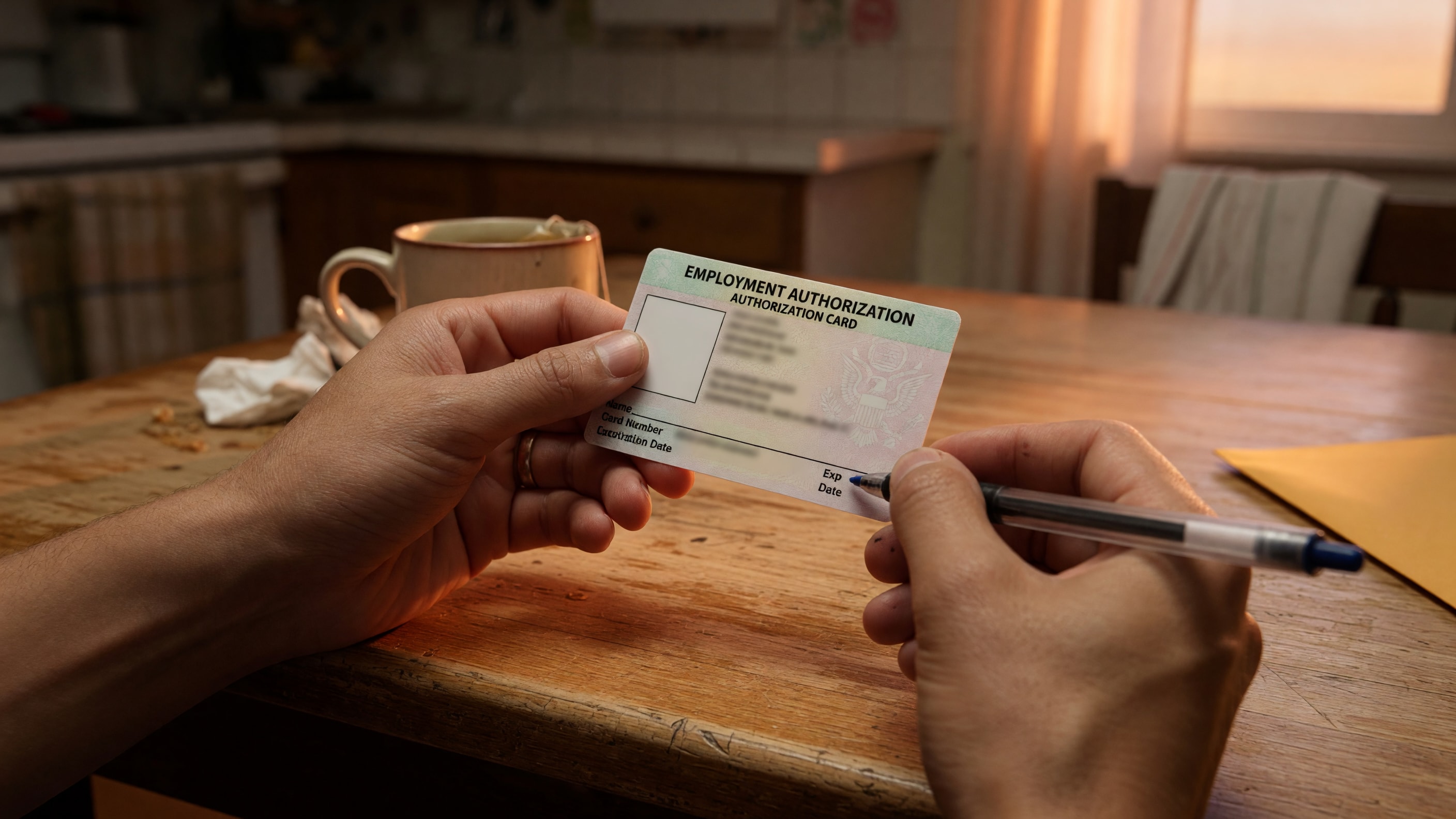
- Have the A-Number ready: The fastest way to search is by using their 9-digit Alien Registration Number (A-Number) and their country of birth. This number is usually found on previous immigration documents or work permits.
- Search by name: If you do not have the A-Number, you can search using their exact name, date of birth, and country of origin. Keep in mind that if the arrest just happened, the system might take 24 to 48 hours to update.
#2. Who Qualifies for an Immigration Bond?
It is crucial to understand that not everyone in detention is eligible for release on bond. Federal immigration law places detainees into categories that determine their eligibility for release.
"Mandatory detention" is a strict rule that prevents certain individuals from receiving a bond. As of June 2026, this generally applies to people with specific prior criminal convictions. For example, aggravated felonies, certain crimes involving moral turpitude, or drug-related charges can disqualify someone. It also applies to arriving aliens who are stopped right at the border.
If your family member is not subject to mandatory detention, they have the right to request a bond hearing before a judge. Sometimes, the ICE officer sets an initial bond. If that amount is too high and your family cannot afford it, your attorney can request a "bond redetermination hearing" so the judge can lower it.
#3. What the Judge Weighs at the Houston Immigration Court
If your loved one gets a hearing at the Houston Immigration Court (which operates at the 1919 Smith St. annex and the main 500 Jefferson St. court), the judge will evaluate the case carefully. The decision is based on two primary factors: whether the person is a "flight risk," and whether they are a "danger to the community."
To convince the judge that your family member will return for all their court dates and is a good person, your attorney will present an evidence package. Here is a checklist of what your family should gather immediately:
- Letters of support: Affidavits from U.S. citizen or lawful permanent resident family members, church pastors, or community leaders.
- Proof of residence and ties: Lease agreements, mortgage statements, or utility bills in the detainee's name. This shows deep roots in local neighborhoods like Gulfton, Spring Branch, Pasadena, or the East End.
- Stable employment history: Proof of employment such as pay stubs, tax returns, or letters from employers promising to give them their job back upon release.
- Clean criminal record: Documents proving good moral character. If there were minor arrests in the past, your attorney will need the police reports to explain the situation to the judge.
#4. Bond Costs and How to Pay in Houston
The cost of an immigration bond can be a massive concern for working families. By law, as of June 2026, the minimum amount for a delivery bond is $1,500.
However, immigration judges in Texas routinely set much higher amounts. Depending on the detainee's ties to the community and their history, the bond can be set anywhere from $5,000 to $15,000, or even higher.
Who can pay the bond? The person who makes the payment and signs the contract with the government is known as the "obligor." This person must have legal status in the country (meaning they must be a U.S. citizen or a lawful permanent resident with a green card) and be at least 18 years old.

Where and how do you pay? Payment can be made in two main ways. It can be done online through ICE's official CeBONDS system, which processes electronic payments. Alternatively, it can be paid in person using a certified cashier's check at an ICE Enforcement and Removal Operations (ERO) office. In Houston, the bond window is located at 126 Northpoint Drive.
#5. After Release: The Fight Is Not Over
Paying the bond and hugging your family member outside the detention center is a moment of immense relief, but it does not mean the case is over. It simply means your loved one can fight their deportation defense case from home rather than from a cell.
Strict legal deadlines exist once a person is released. For example, your family member must update their address with the court immediately using Form EOIR-33 and attend all future court hearings. Missing a court date will result in an in-absentia deportation order and the loss of the bond money.
This is the time to plan a comprehensive legal strategy. It may be the right time to explore options to apply for asylum or other forms of immigration relief. Also, remember that an immigrant's dignity is protected under Texas law in many other respects; for instance, if your family member is ever injured in a car accident, their immigration status does not bar them from seeking justice and compensation.
#Frequently Asked Questions
How long does it take for my loved one to be released after the bond is paid?
Typically, the person is released on the same day that ICE processes and approves the bond payment. However, the administrative process of release and transport from the detention center can take several hours, sometimes stretching into the evening.
Do I get the immigration bond money back?
Yes. If your family member attends all their required court hearings and complies with the judge's final orders (even if the final order is a departure from the country), the federal government will refund the money to the "obligor" when the case concludes.
Can an undocumented family member pay someone else's bond?
No. The person who signs the contract and pays the bond must have legal status in the United States. They must present valid identification and proof of their citizenship or lawful permanent residency.
What happens if the immigration judge denies the bond?
If the judge determines that the detainee is a high flight risk, a danger to the community, or is subject to mandatory detention by law, the bond will be denied. In that case, the person will remain detained for the duration of their court proceedings.
Are consultations with an immigration lawyer confidential?
Absolutely. Consultations with our firm are 100% confidential and secure. Your immigration status or that of your family members will never be shared with ICE or any other authorities, ensuring the dignity and privacy you deserve.
#Protect Your Family Today
Facing ICE and the complex immigration court system is an overwhelming experience, but you do not have to do it alone. At the Law Office of Kristopher A. Alvarez, PLLC, we understand the deep fear your family is feeling and are ready to review your case with honesty and compassion.
Contact us at (832) 404-2300 or schedule a consultation at either of our offices. We are located in Montrose (1603 W. Alabama St., Houston, TX 77006) and the East End (6841 Avenue I, Houston, TX 77011). Se habla español, and we are here to defend your family.
You may also like

How to Bring Your Family to the U.S. from Houston: Step-by-Step
Step-by-step guide to family petitions (I-130) in Houston. Learn the requirements, costs, and wait times to bring your loved ones to the U.S.
TPS in Houston: Who Qualifies and What to Do Right Now
Confused about TPS in 2026? Learn the latest updates for Venezuela, El Salvador, and Honduras, and what Houston immigrants must do to protect their status.

DACA Renewal in Houston: What You Must Know Before Your Deadline
Complete guide for Houston Dreamers: when to renew DACA, which forms to file, current fees, processing times, and what to do if your DACA already expired.
This article is general information only and is not legal advice. Reading it does not create an attorney-client relationship.