
Power of Attorney & Medical Directives Every Houston Family Needs

Ready to listen

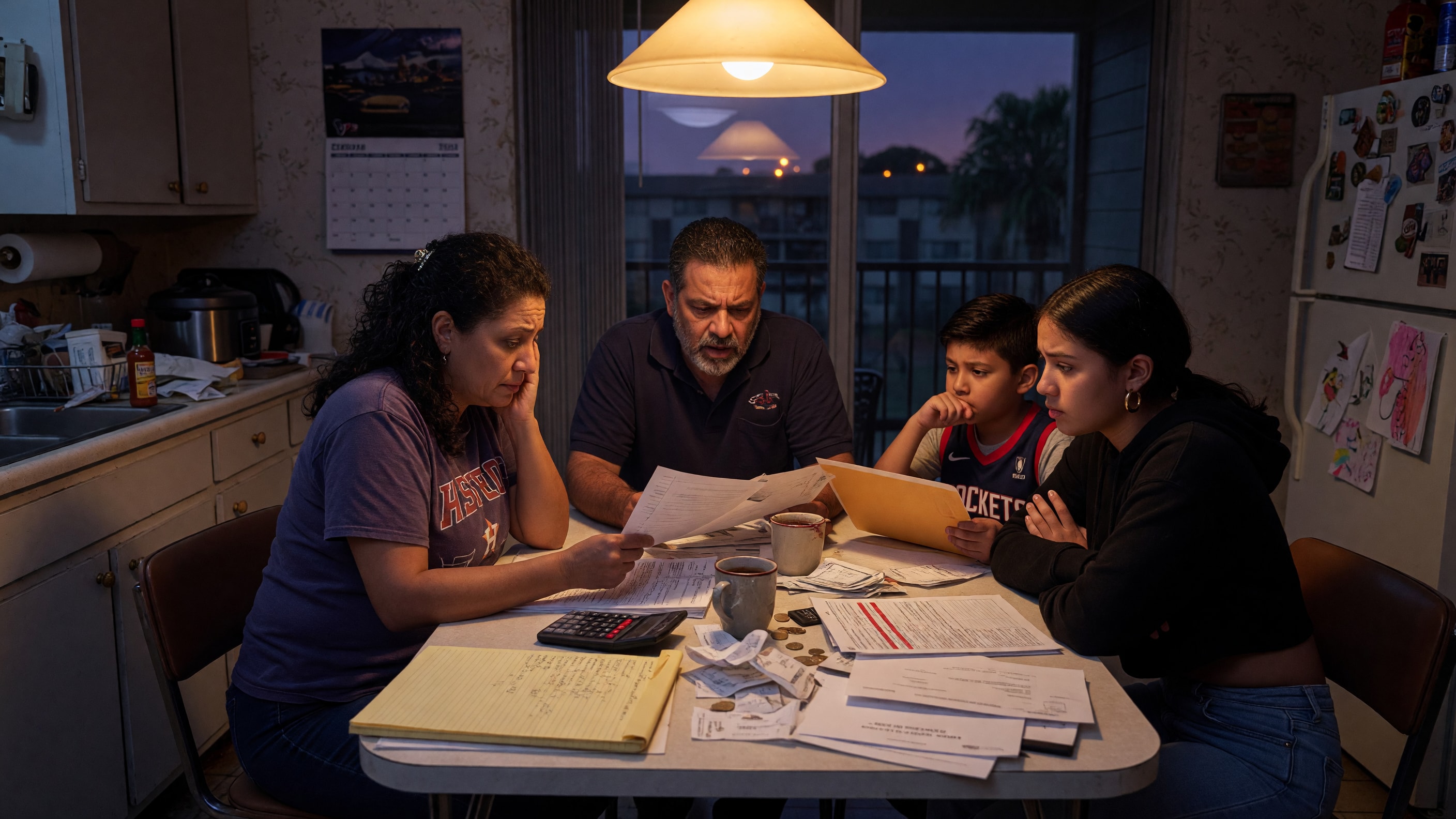
It is 11:00 PM, and you are sitting at your kitchen table, unable to sleep. A loved one was just rushed to a hospital in the Texas Medical Center, and you are suddenly faced with terrifying questions. Who is legally allowed to talk to the doctors? Who can access their bank account to pay the mortgage while they are incapacitated? Without the right legal documents in place, the answers are rarely simple, and the resulting legal hurdles can overwhelm a family already in crisis.
#The High Cost of Doing Nothing: Harris County Guardianship
Many people mistakenly believe that if they are married or have adult children, their family members automatically have the right to manage their finances or make complex medical choices if they become incapacitated. This is not true. If a medical emergency leaves you unable to communicate and you do not have powers of attorney in place, your family may be forced to file for legal guardianship in a Harris County Probate Court.
Guardianship is a public, stressful, and expensive legal process. A judge must review clear and convincing evidence of your incapacity, often appointing a court investigator and an attorney ad litem to represent your interests. Once a guardian is appointed, they must report back to the court annually, detailing every penny spent and every medical decision made. By setting up a Power of Attorney and medical directives in advance, you keep the power in your family's hands and completely avoid the courtroom.
#1. The Statutory Durable Power of Attorney (Financial)
As of June 2026, the Texas Estates Code (Chapters 751 and 752) governs the use of a Statutory Durable Power of Attorney. This critical document allows you to appoint a trusted person—known as your agent or attorney-in-fact—to handle your financial and legal affairs.
What this document covers is extensive. Your agent can pay your bills, manage your bank accounts, file your taxes, deal with insurance companies, and even handle real estate transactions on your behalf. The term "durable" is the most important part of this document. It means the power of attorney contains specific language stating that it remains in effect even if you suffer subsequent disability or incapacity. You can choose whether you want this authority to take effect immediately upon signing or only after a doctor certifies that you are incapacitated (known as a "springing" power).
#2. The Medical Power of Attorney (Healthcare Decisions)
While a financial power of attorney keeps your household running, it does not give anyone the right to make healthcare decisions. For medical choices, you need a Medical Power of Attorney, governed by Chapter 166 of the Texas Health and Safety Code.
This document allows you to name a healthcare agent to make medical decisions for you if you cannot communicate. However, Texas law includes a strict trigger to protect your autonomy. Your agent cannot make decisions simply because you are feeling unwell or are heavily medicated. The law requires your attending physician to certify in writing that you are incompetent to make healthcare decisions, and this certification must be filed in your medical records before your agent's authority officially begins.
#3. The Directive to Physicians (Living Will)
A Directive to Physicians and Family or Surrogates, commonly called a living will, is another vital document under Chapter 166 of the Texas Health and Safety Code. This document speaks for you when you cannot.
A living will tells your doctors exactly what you want regarding life-sustaining treatments if you are diagnosed with a terminal or irreversible condition. It specifies whether you want treatments to be administered, withheld, or withdrawn. Having this document in place is an act of love. It removes the heavy burden of end-of-life decisions from your family's shoulders, ensuring they never have to guess what you would have wanted or carry the guilt of making an impossible choice during an emotional crisis.
#4. HIPAA Authorizations and Out-of-Hospital DNRs
In addition to the primary directives, two other documents are highly recommended for Houston families. A HIPAA Authorization allows healthcare providers to share your medical information with specific family members. Even if someone is not your primary medical agent, a HIPAA release allows them to call the hospital and get updates on your condition.
An Out-of-Hospital Do-Not-Resuscitate (DNR) order is a specific Texas document used primarily for emergency medical services (EMS). While a Directive to Physicians applies inside a hospital setting, an Out-of-Hospital DNR tells paramedics and first responders not to perform CPR or other resuscitation measures in your home or in public.

#5. Estate Planning for Mixed-Status Families in Houston
For immigrant families living in neighborhoods like Spring Branch or the East End, these documents offer an indispensable layer of protection. If a parent faces sudden detention and has a hearing at the Houston Immigration Court (1919 Smith St.), a Durable Power of Attorney allows a trusted friend or relative to manage their Houston property, access bank funds to pay for legal defense, and ensure the family's rent is paid.
Furthermore, parents can execute documents designating a guardian for their minor children if they are detained or removed from the country. Your immigration status does not bar you from executing these Texas legal documents. At our firm, we understand the unique anxieties of mixed-status families, and our consultations are entirely confidential.
#A Houston Family’s Checklist for Setting Up Directives
Creating these documents requires careful attention to Texas law. Here is an ordered process to ensure your family is protected:
- Choose your agents wisely. Select someone who is trustworthy, organized, and capable of handling stressful situations. Always name at least one backup agent in case your first choice is unavailable or unwilling to serve.
- Draft documents specific to Texas. Generic online forms often fail to meet the strict statutory requirements of the Texas Estates Code or the Health and Safety Code, which can lead to a bank or hospital rejecting the document when you need it most.
- Follow the strict execution rules. A Durable Power of Attorney must be acknowledged before a notary public. Medical directives must be either notarized or signed in front of two competent adult witnesses. Texas law is very strict about who can serve as a witness for medical directives—it cannot be your appointed agent, a relative by blood or marriage, anyone entitled to your estate, or your healthcare provider.
- Distribute copies immediately. A document locked away in a safe is useless in an emergency. Give copies to your primary care doctor and your appointed agents, and keep a set easily accessible at home.
- Review and update regularly. Life changes. You should review your documents every few years or after major life events such as a marriage, divorce, or the death of a named agent.
#Frequently Asked Questions
Does my spouse automatically have the right to manage my bank accounts if I am hospitalized?
No. While a spouse can make certain medical decisions under Texas law if no Medical Power of Attorney exists, they cannot access bank accounts solely in your name or sell property without a Durable Power of Attorney or a court-ordered guardianship.
Can I revoke a Power of Attorney if I change my mind?
Yes. As long as you are of sound mind, you can revoke a Power of Attorney or medical directive at any time. You can do this by destroying the original document, signing a written revocation, or creating a new document that explicitly revokes the old one.
What is the difference between a Medical Power of Attorney and a Directive to Physicians?
A Medical Power of Attorney appoints a specific person to make healthcare decisions for you if you cannot. A Directive to Physicians is a written instruction stating your specific medical wishes regarding life-sustaining treatment if you have a terminal or irreversible condition.
Are my documents valid if I move to Houston from another state?
Documents executed in another state are generally valid in Texas if they complied with the laws of the state where they were created. However, it is highly recommended to have a Houston attorney review them to ensure they align seamlessly with Texas healthcare providers and local probate court standards.
Do I need a lawyer to create these documents?
While Texas provides statutory forms, having a lawyer draft and explain them ensures they are executed properly and fully compliant with current state laws. Mistakes in execution or using the wrong language can render the documents invalid, forcing your family into the very court process you tried to avoid.
#Contact Us to Protect Your Family
Protecting your family starts with a simple conversation. Do not wait for a medical crisis or an unexpected emergency to realize you need these documents. At the Law Office of Kristopher A. Alvarez, PLLC, we help families across Houston put the right legal protections in place with clarity and compassion.
Schedule a consultation with our team today to discuss your family's needs. You can call or text us at (832) 404-2300. We have offices conveniently located in Montrose and the East End, and we are proud to serve our community in both English and Spanish.
You may also like
What Happens If You Die Without a Will in Texas?
Discover what happens when you die without a will in Texas. Learn about intestate succession, community property, and how to protect your Houston family.

How Probate Works in Harris County, Texas
A plain-English guide to Harris County's probate courts, independent administration, timelines, costs, and shortcuts that may let your family skip full probate.

Do I Need a Will in Texas? A Houston Guide
Learn why every Houston adult needs a Texas will, what it covers, how to name a guardian for your children, and what it really costs to die without one.
This article is general information only and is not legal advice. Reading it does not create an attorney-client relationship.