
Avoid Probate in Houston with a Texas Transfer-on-Death Deed

Ready to listen

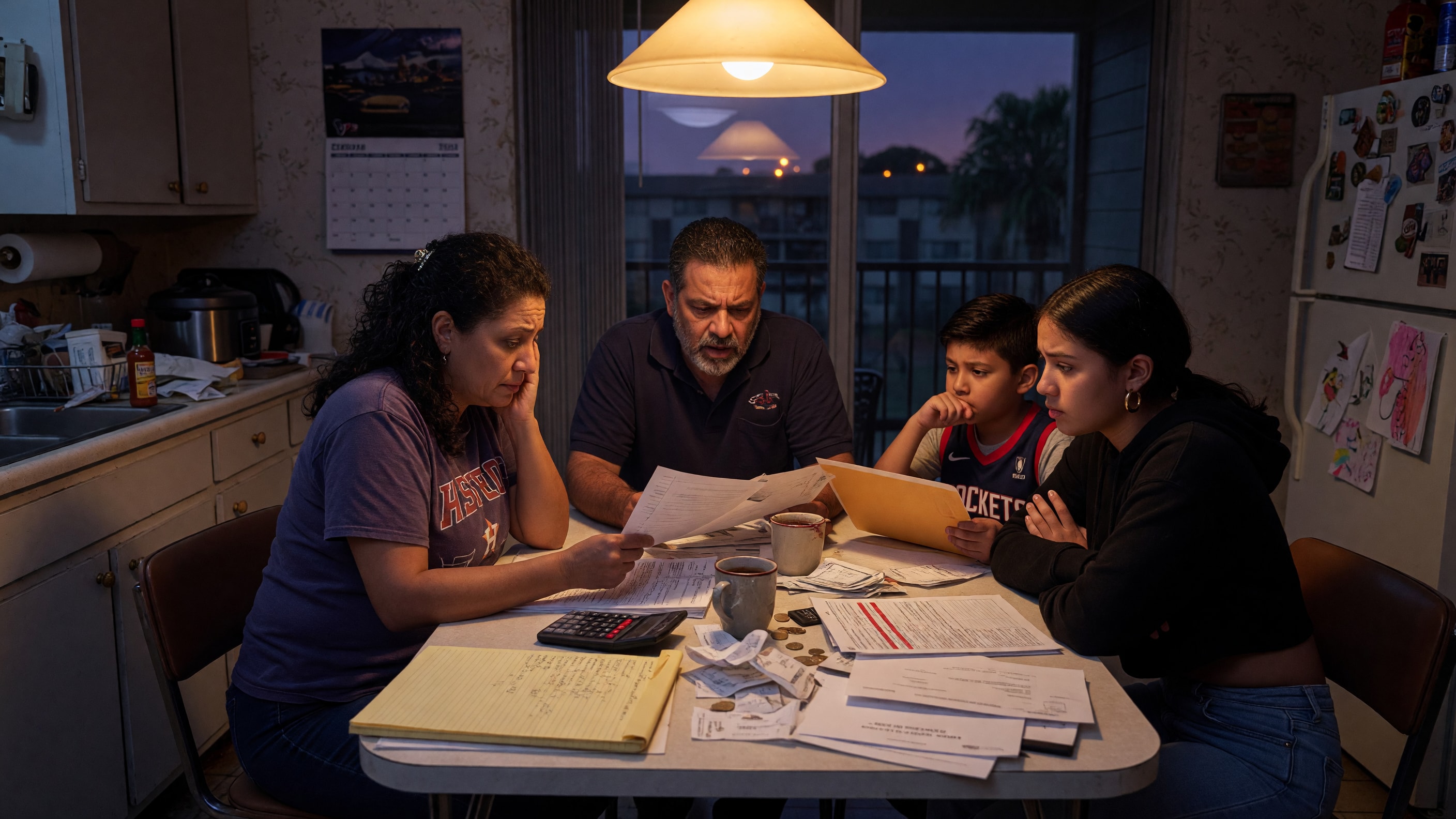
For many hardworking families in Houston, buying a home is the achievement of a lifetime. Whether you purchased your property in the East End, Aldine, or Pasadena, that house represents years of sacrifice, savings, and grueling work. But thinking about what will happen to that property when you pass away can cause intense anxiety. It is common to sit at the kitchen table late at night, surrounded by bills, and wonder: "What would happen to my family if I were not here tomorrow?"
Especially in immigrant communities, the fear that children will have to battle in court, pay thousands of dollars in legal fees, or—worst of all—lose the family home, is a real concern that keeps parents awake at night. The legal system can feel cold and intimidating. Fortunately, Texas law provides a simple, cost-effective, and incredibly powerful tool to protect your estate and your family's peace of mind: the Transfer on Death Deed (TODD).
#What Exactly is a Transfer on Death Deed (TODD)?
Under Chapter 114 of the Texas Estates Code, a TODD is a specialized legal document that allows a property owner to name one or more beneficiaries to automatically inherit their real estate upon the owner's death. It was implemented into Texas law in 2015 to offer an accessible alternative for families wanting to simplify their inheritance.
The absolute greatest advantage of this tool is that it transfers the property completely outside of the probate process. Probate in Harris County can be a long and expensive ordeal. It involves filing an application with the court, paying filing fees that exceed $300, posting legal notices, attending hearings, and submitting formal inventories. All of this can take anywhere from six months to over a year. With a TODD, your loved ones will not have to go to court, hire a probate litigator, or wait months to put the house in their name. They simply file a death certificate and an affidavit in the county property records, and the transfer is complete.
#Key Benefits of a TODD for Houston Homeowners
For mixed-status families or homeowners who purchased with an ITIN number in neighborhoods like Spring Branch or Gulfton, estate planning is not a luxury—it is an urgent necessity. A TODD offers unique protections:
- You maintain total control of your home: While you are alive, the TODD gives the beneficiary absolutely no rights over the property. You remain the sole owner. You can sell the house, refinance it, lease it out, or even revoke the deed entirely if you change your mind.
- It does not affect your current mortgage: Signing and recording a TODD does not trigger the "due-on-sale" clause of your mortgage loan, nor does it affect your property tax exemptions (such as your homestead exemption).
- Total privacy for your family: The probate process in a Texas court is a matter of public record, meaning anyone can look up the details of your assets and debts. With a TODD, the transfer is handled directly through county property records, keeping your family's financial matters strictly private.
- Cross-border peace of mind: If your beneficiaries live outside the United States or have a vulnerable immigration status, avoiding the probate process spares them the immense difficulty and fear of having to appear before a judge or send legal representatives to Texas courts.
#How to File a TODD in Harris County (Step-by-Step)
For a TODD to be valid and legally binding, you cannot simply write your wishes on a piece of paper, sign it, and leave it in a drawer. You must follow a strict process dictated by law. Here is the checklist to ensure the document is effective:
- Obtain the correct legal description of the property: This is a very common mistake. You must not use the short description found on your Harris County Appraisal District (HCAD) tax receipt, as it is often incomplete or abbreviated. You need the exact, full legal description found on your original purchase deed.
- Legal capacity and notarized signature: The property owner must be of sound mind and sign the document in front of a notary public. Importantly, Texas law states that a TODD cannot be created or signed by an agent using a Power of Attorney; it must be signed directly by the property owner.
- Recording in the county before death: This is the most critical step. The deed must be officially recorded (filed) with the Harris County Clerk's Office before the owner dies. The county charges a recording fee, which under Texas fee structures is generally $25 for the first page and $4 for each additional page. If you pass away and the document is sitting on your desk unrecorded, the document is completely invalid.
- Strict survival rule: For the beneficiary to inherit the property, Texas law requires that they survive the original owner by at least 120 hours. If the beneficiary passes away before that time, the property will go to an alternate beneficiary (if one was named) or enter the normal probate process.
#Protecting Your Home from Medicaid Estate Recovery (MERP)
As of June 2026, the costs of long-term medical care and nursing homes in Texas remain staggering, averaging thousands of dollars a month. Many elderly individuals avoid seeking the care they need because they fear the government will take their home. If you receive long-term Medicaid benefits, the state of Texas has the right to attempt to recover those costs after your death through the Medicaid Estate Recovery Program (MERP).
However, there is excellent news. In Texas, MERP generally can only recover money from assets that pass through the probate estate. Because a TODD transfers the house automatically at the moment of death and bypasses probate entirely, it currently serves as a highly effective legal shield to protect the family home from state claims.
#The Two-Year Title Insurance Waiting Period Warning
Despite being a fantastic tool, the TODD has a critical limitation that you and your beneficiaries must understand. Texas law establishes a strict two-year period during which creditors of the deceased (credit card companies, hospitals, lenders) can make claims against the property to collect unpaid debts.

Because of this legal risk—often called a "claw back" period—the vast majority of title insurance companies in Texas refuse to issue a title insurance policy during the two years following the owner's death. Title insurance is an absolute requirement for almost any buyer or bank issuing a loan. This means if your beneficiary plans to sell or refinance the house immediately after inheriting it, they could face severe obstacles during those first 24 months.
If your goal is for your children to be able to sell the property quickly without delays, an estate planning attorney can help you evaluate whether a Living Trust or another legal structure is a better option for your family.
#Frequently Asked Questions
Can a will override a Transfer on Death Deed?
No. If you record a TODD and years later write a will leaving the exact same house to someone else, the TODD takes legal priority and supersedes what is written in the will. The only way to cancel a TODD is by recording a formal revocation or a new TODD in the county property records before you pass away.
What happens if I am still paying the mortgage on my Houston home?
You can record a TODD even if you have not finished paying off your mortgage loan. However, it is vital to understand that when you pass away, your beneficiary will inherit the property subject to that debt. The beneficiary must continue making the monthly payments or refinance the house in their name to avoid foreclosure.
Do my beneficiaries have to sign the deed or be notified?
No. Texas law specifically states that no notice, delivery of the document, or acceptance by the beneficiary is required during the owner's lifetime. Your beneficiary does not even have to know the TODD exists until the moment of your passing.
Does my beneficiary's immigration status prevent them from inheriting the house?
No. The immigration status of the person you designate as a beneficiary does not prevent them from receiving real estate in Texas. State law does not prohibit undocumented immigrants from owning property, though inheriting from abroad may require additional legal assistance to manage the transfer documents.
Can I name a minor child as a beneficiary on the deed?
Yes, you can, but it is a practice that attorneys strongly advise against doing directly. If a minor inherits real estate in Texas, they cannot sign contracts or sell the property. The Harris County court will have to intervene to appoint a legal guardian to manage the property until the minor turns 18, which is an expensive, judge-supervised process.
#Protect Your Family's Future Today
Do not leave your family dealing with courts, debts, and confusion during their moment of greatest grief. A clear plan is the best gift you can leave them. Whether you live in Katy, Pasadena, or any Houston neighborhood, our bilingual team is ready to listen to your story, understand your concerns, and help you secure your legacy with dignity.
Call the Law Office of Kristopher A. Alvarez, PLLC at (832) 404-2300 or schedule a consultation at our Montrose or East End offices. We speak your language and understand what is at stake for your family.
You may also like

Power of Attorney & Medical Directives Every Houston Family Needs
Learn why every Houston family needs a Durable Power of Attorney, Medical POA, and Directive to Physicians to avoid guardianship and protect loved ones.
What Happens If You Die Without a Will in Texas?
Discover what happens when you die without a will in Texas. Learn about intestate succession, community property, and how to protect your Houston family.

How Probate Works in Harris County, Texas
A plain-English guide to Harris County's probate courts, independent administration, timelines, costs, and shortcuts that may let your family skip full probate.
This article is general information only and is not legal advice. Reading it does not create an attorney-client relationship.