
Estate Planning for Mixed-Status Immigrant Families in Houston

Ready to listen

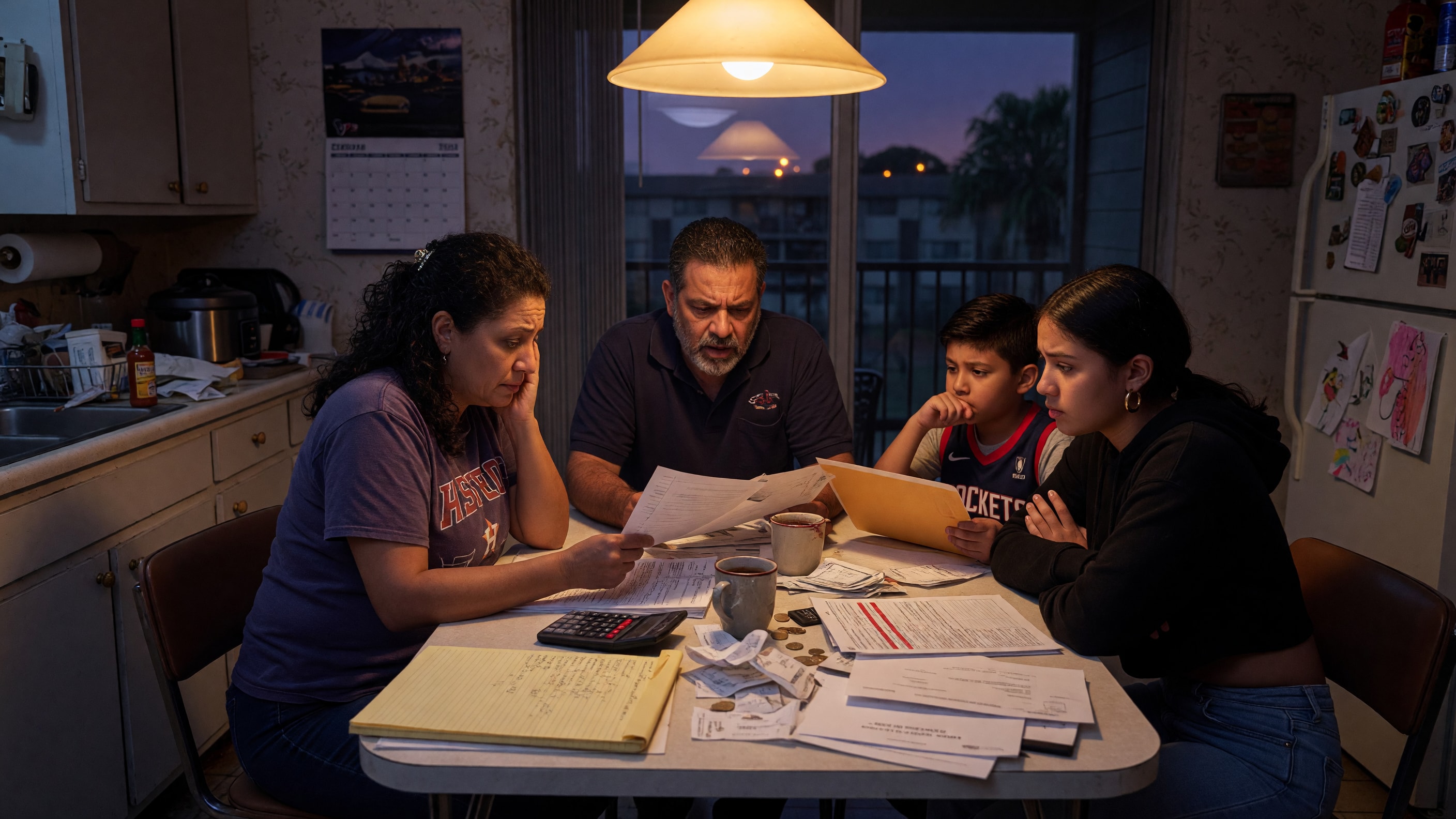
You are sitting at your kitchen table late at night, wondering what would happen to your children or your home if you were suddenly detained or passed away. For mixed-status immigrant families in Houston, these fears are a heavy burden to carry. However, leaving your family’s future up to chance is not your only option.
With the right legal tools in place, you can protect your children, secure your assets, and ensure your wishes are respected, regardless of what the future holds. Estate planning is not just for the wealthy or for U.S. citizens; it is a fundamental way to shield your family from chaos during a crisis.
#Your Immigration Status Does Not Prevent You From Planning
One of the most common myths in the immigrant community is that you must have legal status or be a U.S. citizen to create an estate plan. This is completely false. Under Texas law, your citizenship or immigration status does not bar you from creating a legally binding will, owning property, or naming guardians for your children.
Whether you are a Green Card holder, are living in the U.S. under Temporary Protected Status (TPS), or are completely undocumented, you have the right to protect what you have built. Many hardworking families in neighborhoods like Spring Branch and the East End have purchased homes using an ITIN (Individual Taxpayer Identification Number). If you own property or have children, you need an estate plan. Furthermore, all consultations with an attorney to discuss these matters are strictly confidential.
#Protecting Your Children: The Declaration of Guardian
For many mixed-status families, the greatest fear is not losing property—it is the fear of family separation. If a parent is detained in a deportation defense scenario or tragically passes away, what happens to the children?
Without a legal plan, the state may intervene, and Child Protective Services (CPS) could temporarily take custody of your children while a judge decides who should care for them. You can prevent this nightmare by using a tool found in Texas Estates Code Section 1104.153: the Declaration of Appointment of Guardian for My Children in the Event of My Death or Incapacity.
This document allows you to legally designate exactly who you want to step in and care for your minor children. You can name a trusted family member or friend—even if they live in another country or are undocumented themselves, though it is often highly recommended to name a U.S. citizen or legal resident as the primary guardian to avoid complications. Having this document ready provides immense peace of mind.
#Powers of Attorney: Who Manages Things if You Cannot?
Estate planning is not only about what happens after you pass away; it is also about protecting yourself while you are still alive. If you are hospitalized after an accident on I-10 or detained by immigration authorities, you need someone on the outside who can legally manage your affairs.
Under the Texas Estates Code, there are two critical documents every Houston adult should have:
- Statutory Durable Power of Attorney: This document allows you to name a trusted agent to handle your finances. They can pay your mortgage, access your bank accounts, run your business, or even sell your car if you are incapacitated or detained and cannot do it yourself.
- Medical Power of Attorney: This document designates someone to make healthcare decisions for you if you are unconscious or otherwise unable to communicate with doctors.
By setting these up before a crisis strikes, you ensure that your family is not locked out of your bank accounts or left powerless during an emergency.
#Keeping Your Houston Home Out of Probate
If you own a home in Houston, your goal should be to pass it on to your loved ones with as little friction as possible. When someone dies with only a standard will, their estate must go through the probate process. As of June 2026, Harris County operates five statutory probate courts located at the Harris County Civil Courthouse (201 Caroline St.). Going through probate can be a lengthy and public process.
Fortunately, Texas offers a powerful alternative. Under Texas Estates Code Chapter 114, homeowners can use a Transfer on Death Deed (TODD). This document allows you to name a beneficiary who will automatically inherit your real estate upon your death, completely bypassing the probate court.

For immigrant families, a TODD is an excellent tool. It means your family will not have to navigate the complex court system just to keep the family home. You retain full ownership of your house during your life—you can sell it, refinance it, or change your mind at any time—but upon your passing, it transfers directly to your named beneficiary.
#What Happens If You Die Without a Will in Texas?
If you pass away without a will, you die "intestate." When this happens, Texas law dictates exactly who inherits your property, and the results are rarely what a family actually wants.
Intestate succession can be particularly devastating for mixed-status or blended families. If you are not legally married to your partner, they may receive nothing under Texas law. If you have children from previous relationships or relatives living abroad, the division of assets can become a legal nightmare, often requiring expensive court interventions to clear the title to your home. Taking the time to draft a clear, legally sound Texas will ensures that you—not the state—decide how your hard-earned assets are distributed.
#A Simple Estate Planning Checklist for Houston Families
Taking the first step is often the hardest part. Use this straightforward checklist to begin protecting your family today:
- Name Guardians for Your Children: Execute a formal Declaration of Guardian so your children are never left in the hands of the state.
- Draft a Texas Will: Clearly state who will inherit your assets and name an executor you trust to handle your affairs.
- Set Up Powers of Attorney: Choose trusted agents for your medical and financial decisions in case of incapacity or detention.
- Protect Your Home with a TODD: If you own real estate, evaluate whether a Transfer on Death Deed makes sense to help your family avoid probate.
- Organize and Share: Keep your original documents in a safe, accessible place, and make sure your designated agents know exactly where to find them.
#Frequently Asked Questions
Can undocumented immigrants write a valid will in Texas?
Yes. Your immigration status does not bar you from creating a legally binding will in Texas. Citizenship is not a requirement to protect your assets or your family under the Texas Estates Code.
What happens to my children if I am detained or pass away without a plan?
Without a legal designation, the state or a judge may decide who cares for your children, which could temporarily involve Child Protective Services. Creating a Declaration of Guardian ensures your chosen loved ones can step in immediately.
What is a Transfer on Death Deed (TODD)?
A TODD is a legal document that allows you to pass your real estate directly to a beneficiary when you pass away, bypassing the probate process entirely. It is a highly effective way to keep your home out of the court system.
Where do probate cases go in Houston?
Probate cases in Harris County are handled at the Harris County Civil Courthouse, located at 201 Caroline St. in downtown Houston. Texas has strict deadlines for probate, so it is important to act promptly if a loved one passes away.
Does my family have to be in the U.S. to inherit my property?
No. Beneficiaries living in another country can still inherit property in Texas. However, transferring assets internationally involves unique tax and legal considerations, making a proper estate plan essential.
#Schedule a Consultation to Protect Your Family
You have worked too hard to leave your family’s future unprotected. At the Law Office of Kristopher A. Alvarez, PLLC, we understand the unique challenges faced by mixed-status immigrant families in Houston. We offer compassionate, bilingual guidance to help you put the right legal protections in place.
Contact us today to schedule a consultation. Call or text us at (832) 404-2300, or book your appointment online. You can visit us at either of our convenient Houston locations in Montrose (1603 W. Alabama St.) or the East End (6841 Avenue I). Se habla español.
You may also like

Avoid Probate in Houston with a Texas Transfer-on-Death Deed
Learn how a Texas Transfer on Death Deed (TODD) helps Houston homeowners pass their property to loved ones, avoid probate, and protect their legacy.

Power of Attorney & Medical Directives Every Houston Family Needs
Learn why every Houston family needs a Durable Power of Attorney, Medical POA, and Directive to Physicians to avoid guardianship and protect loved ones.
What Happens If You Die Without a Will in Texas?
Discover what happens when you die without a will in Texas. Learn about intestate succession, community property, and how to protect your Houston family.
This article is general information only and is not legal advice. Reading it does not create an attorney-client relationship.